





The implant
The birth control implant is a tiny plastic tube inserted under the skin of your upper arm by a doctor or nurse. It keeps you from getting pregnant for up to three years by releasing synthetic progesterone, which stops ovulation. It's very effective—more than 99%, so less than 1 in 100 women using it get pregnant in a year.
The implant has a number of benefits. Once it's under your skin, it lasts for three years, so you don’t have to stress about missing pills or patches, which can increase the risk of getting pregnant. It can also make your periods lighter or less painful. Plus, it's safe for people who can't take estrogen, for instance if you're allergic or have a family history of breast cancer.
But it doesn't protect against STIs, so it's important to use a condom to protect you from them. Another downside is that you need a doctor or nurse to insert, remove, or replace the implant every three years, so you can't do it yourself. The procedure, however, doesn’t take long and is usually painless.
It also comes with a risk of side effects, like any other medication. Common side effects include acne, headaches, tender breasts, weight gain, vaginal infections, and irregular bleeding.
The coil
Coils, which can be intrauterine devices (IUDs) or intrauterine systems (IUS), are small devices shaped like a T, inserted into the womb through the vagina. The name 'coils' comes from the copper in IUDs, which is wrapped around a tiny piece of plastic. The IUS is similar to the IUD, but releases the hormone progestogen instead of copper.
You'll need a doctor or nurse to fit a coil, usually at their practice or a health clinic. The process only takes a few minutes, but it can be uncomfortable. You’ll be advised to rest, use a heating pad and take pain medication to help you with any discomfort after the procedure. But once it's in, it can stay there for five to ten years, depending on the type. Also, you can do it any time during your cycle, as long as you're not already pregnant.
The contraceptive injection
The injection is a convenient birth control method that lasts for 12-13 weeks. It slowly lets out a hormone called progestogen into your bloodstream, stopping ovulation and stopping you from getting pregnant. Like the implant, the injection is over 99% effective when used correctly.
Usually, it's a jab in the buttocks or your upper arm. If you want to inject it yourself, talk to your doctor or nurse about your options.
Like any other medication, it also comes with pros and cons. On the bright side, you don't need to worry about taking a pill every day, and it can make your periods lighter and less painful. But it won't protect you from STIs, and it might take a while (nine to 24 months) for your periods to get back to normal once you stop using it.
Some people also report side effects like headaches, acne, or mood changes, but they usually calm down over time.
The patch
The birth control patch, like Evra, prevents pregnancy by releasing hormones (estrogen and progestogen) through your skin. It's a small, sticky patch you put on for seven days, then swap for a new one for three weeks, followed by a patch-free week.
The patch is simple to use and doesn't interrupt sex like condoms. Also, it can lighten periods and alleviate premenstrual symptoms. Moreover, because the hormones are absorbed directly into your bloodstream, they keep working even if you're ill or vomit.
The hormones in the patch can also improve acne and other skin issues. One in three adolescents enrolled in a study who had acne or skin problems reported a reduction in symptoms after starting Evra.
But the patch has its drawbacks too. If you stick it in a noticeable spot, it might show, and for some people, it could cause skin irritation or itching. Plus, it doesn't protect against STIs, and you might have some unexpected spotting or bleeding between periods, especially when you've just started using it.
The birth control ring
The birth control ring is a soft plastic device you place inside your vagina. It has synthetic versions of hormones (estrogen and progestogen) to stop you from getting pregnant. It works like pills and patches by stopping ovulation and making it harder for sperm to move inside the vagina.
You have to switch to a new ring every month, so it's great if you tend to forget to take pills. When used perfectly, it's over 99% effective. Another plus is that it's discreet and won't get in the way during sex. Putting it in and taking it out is easy, and no one can see it. It shouldn't cause any discomfort during sex, and your periods might get lighter and less painful too.
But, it won't protect you from STIs, and you have to remember to change it every month. Sometimes, you might have some side effects at the beginning of the treatment, like discharge, tender breasts, or headaches.
Condoms (Male and Female)
Barrier methods prevent unwanted pregnancies by creating a physical barrier that stops sperm from reaching the vagina. Let’s take a close look at the options:
- Condoms: they can prevent pregnancies and STIs. The female condom goes inside the vagina, and the male condom goes over the penis. Some condoms even come with sperm-killing lubricant for extra safety.
- Diaphragm and cervical cap: they work by blocking sperm from getting into the cervix. Diaphragms are small, shallow, cup-shaped, silicone disks, and cervical caps resemble tiny sailor hats, made from soft silicone. You can wear the cervical cap for up to 72 hours, while the diaphragm can be used for up to 30 hours.
- Sponge: worn inside the vagina, it releases spermicide to kill sperm and prevent pregnancy.
Barrier methods are affordable and easy to use. However, they're not as effective as some other methods. While condoms, for example, are about 98% effective when used perfectly, in ‘real life,’ they're around 82% effective.
Emergency birth control
If you've had unprotected sex or your regular method of birth control has failed and you’re worried about a possible pregnancy, emergency contraceptive pills like Plan B One-Step or Ella can offer a solution.
Levonelle contains levonorgestrel, a synthetic version of the hormone progesterone, which is effective if taken within three days after unprotected intercourse to prevent ovulation.
Ella, on the other hand, contains a different hormone called ulipristal acetate, which works by preventing ovulation. It’s effective if taken within five days after unprotected intercourse.
When using emergency birth control, however, you should keep in mind a few things. They aren't meant for regular birth control, but can be used more than once in a menstrual cycle if needed, even if you're under 16. Also, some medical conditions or medications might prevent their use, such as severe asthma or interactions with drugs like St. John's Wort or certain antibiotics.
Emergency contraception can also cause side effects such as headaches, abdominal discomfort, and nausea. They can also impact the timing and intensity of your next menstrual period.
The pill (Combined and Progestogen)
There are many options when it comes to contraceptive pills, but they can be broken down into two main categories: combined pills and progestogen-only pills (mini-pills).
Combined contraceptive pills, the most common type, contain synthetic versions of female hormones - estrogen and progesterone. They work by altering hormone levels and in turn prevent ovulation and thicken vaginal mucus, making it hard for sperm to reach an egg. The thin uterus lining further prevents fertilised eggs from implanting.
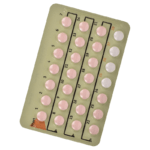
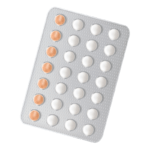
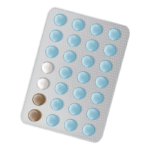
You typically take combined pills for 21 days, followed by a 7-day break, though some pills are taken every day—the pack also contains seven ‘dummy’ or inactive pills, which have no hormones. They're around 99% effective if taken perfectly, but side effects like nausea, weight gain, or mood swings can occur, often improving over time or after switching to a different pill brand.
Advantages include flexibility in starting and stopping, regular and lighter periods, reduced womb and ovarian cancer risk, and relief from premenstrual symptoms and acne. However, they don't protect against STIs and may cause spotting initially. Some women might experience increased blood pressure or a small risk of blood clots and breast cancer.
In Canada, some birth control pills like Tri-Cyclen and Yaz are approved for treating acne. Acne can happen when some glands in your body produce an oily substance called sebum, which can lead to skin problems. These pills work by reducing sebum secretion.
The pill may not be suitable for you if you have (or have had) blood clots, stroke, or any other disease that narrows the arteries. Also, if anyone in your close family has had a blood clot under the age of 45, if you experience severe migraines, or if you have had breast cancer, the pill may also not be the right choice for you. Tell your doctor if you have any of these problems and discuss alternative solutions.
Mini pills, also called progestogen-only pills (POP), don’t have any estrogen (like the name suggests). This makes them a safer choice if you're sensitive to estrogenic side effects or have conditions preventing you from taking combined pills.
They function by thickening cervical mucus to block sperm from reaching an egg, and some types containing desogestrel also prevent ovulation. Just like the combined pills, they’re highly effective when used perfectly (around 99%).
But unlike combined pills, most mini pills are taken daily without breaks. You won't have a monthly period while using mini pills, but in some cases you might experience light bleeding. For some this might be seen as a downside.
On the plus side mini pills are suitable for all ages, they’re also safe for smokers and lighten or stop periods altogether. But, certain medications can make them less effective.
Common side effects like nausea, headaches, mood swings, and irregular periods may occur.