

Several studies have linked smoking with an increased risk of erectile dysfunction.[5] It’s thought that smoking can interfere with the function of nitric oxide in the body, which then impedes ‘vasodilation’ (the widening of blood vessels – an important biological step in the process of getting and maintaining an erection).
Long term, smoking can also cause damage to blood vessels, which again prevents proper circulation (including to the penis).
So if you smoke, and you’re experiencing erectile dysfunction, quitting smoking may contribute to the improvement of symptoms.
Find treatment
Erectile dysfunction
We’ll deliver to you in 2-3 business days
Summary
- ED is a condition where men have trouble getting or keeping an erection.
- It can be caused by physical or psychological factors, or a combination of both.
- Treatment options are available.
Erectile dysfunction
What is erectile dysfunction?
Sometimes known as impotence, erectile dysfunction is when a man has persistent problems getting and sustaining an erection. Sometimes, this may be:
- difficulty getting hard enough for sex
- or not staying hard for long enough for sex to happen.
How long it needs to be happening for it to be medically defined as ED is a subject pretty open to discussion. There’s actually a scale called The International Index of Erectile Function (IIEF) which gives men an ED ‘score’ based on their erection habits over the previous month.
Normally, a clinician will be able to tell if you need treatment by asking you a few questions about your symptoms and general health.
Who gets ED?
About 50% of men over 40 (so it’s quite common).[1] But you can get erectile dysfunction at any age.
You’ve probably seen the TV commercials for ED medication. Older men strolling with their partners across a sunset beach. These ads target men in this age group, and it figures. Because as men get older, they’re more likely to develop health problems like high blood pressure or poor circulation. And these conditions can make it harder to get an erection.
But ED affects young men too. As well as the physical side of it, there’s the psychological side. In a new relationship, you may feel pressure to satisfy your partner for example, and this can lead to ED. Or you may be stressed at work, which may also trigger it.
So in fact, the answer to the question “Who gets ED?” is anyone (and in some way or another, at some time, probably everyone).
How common is erectile dysfunction?
It depends who you ask. Some health bodies have suggested that about 50% of men over 40 will develop erectile dysfunction. And a study of the condition in men under 40 estimates that a quarter in this group will get it at some point.[2]
Unfortunately, the nature of ED means that many men won’t seek help for it. So it could well be more common than we think. But experts reckon that most men will get some form of ED at least once, even if it’s only short-term.
Treated trusted source:
- Leslie SW, Sooriyamoorthy T. Erectile Dysfunction. [Updated 2024 Jan 9]. In: StatPearls [Internet]. Treasure Island (FL): StatPearls Publishing; 2024 Jan-.
- Capogrosso, P., Colicchia, M., Ventimiglia, E., Castagna, G., Clementi, M.C., Suardi, N., Castiglione, F., Briganti, A., Cantiello, F., Damiano, R., Montorsi, F. and Salonia, A. (2013). One Patient Out of Four with Newly Diagnosed Erectile Dysfunction Is a Young Man—Worrisome Picture from the Everyday Clinical Practice. The Journal of Sexual Medicine, 10(7), pp.1833–1841.
 This page was written by The Treated Content Team.

This page was medically reviewed by Dr Alexandra Cristina Cowell on August 29, 2025. Next review due on August 29, 2028.
How we source info.
When we present you with stats, data, opinion or a consensus, we’ll tell you where this came from. And we’ll only present data as clinically reliable if it’s come from a reputable source, such as a state or government-funded health body, a peer-reviewed medical journal, or a recognised analytics or data body. Read more in our editorial policy.
Erectile dysfunction
What causes erectile dysfunction?
Lots of things can lead to ED. It can be down to physical problems (being overweight or having high blood pressure), psychological problems (anxiety or depression) or a combination of the two. Even tiredness can trigger ED.
ED can also be triggered by an underlying health condition, like diabetes, or it can be an early sign of heart disease. So if you keep getting erection problems, you should see a clinician, as these conditions need to be treated too.
In the body, ED is caused by loss of circulation to the penis, where the arteries at the base of the penis contract and don’t let blood through. An enzyme called PDE5 plays a part in this, and makes the arteries tighter.
This page was written by The Treated Content Team.
This page was medically reviewed by Dr Alexandra Cristina Cowell on August 29, 2025. Next review due on August 29, 2028.
How we source info.
When we present you with stats, data, opinion or a consensus, we’ll tell you where this came from. And we’ll only present data as clinically reliable if it’s come from a reputable source, such as a state or government-funded health body, a peer-reviewed medical journal, or a recognised analytics or data body. Read more in our editorial policy.
Expertise you can trust.
Get to know the clinicians taking care of you. They’ll review your options and recommend the best treatment for you.
-
Online consultations: No appointments, no waiting rooms. Get treatment advice on your schedule.
-
Personalized aftercare: Regular follow-ups to help you get the most out of your treatment.

Dr. Ahmed Abuhelala
Prescribing Clinician

Dr Daniel Atkinson
GP Clinical lead
Registered with GMC (No. 4624794)
This is healthcare on your terms.
All from the comfort of your device. Get access to what you need, when you need it.
100% online
Ask questions and get expert recommendations, at the touch of a button.
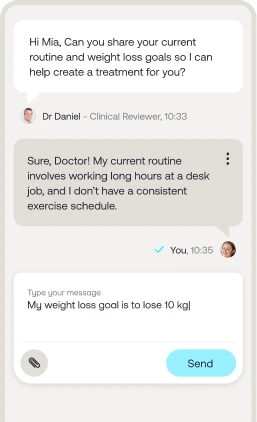
Tailored choices
We'll narrow down some treatments for you to choose from based on your medical profile.
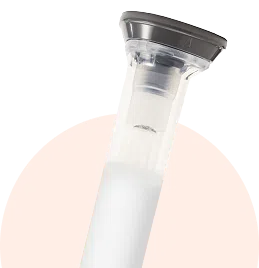
Express delivery
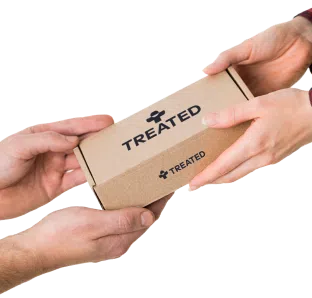
Receive your treatment by secure delivery, in discreet packaging.
Repeats made easy
Set your own delivery schedule and pause or make changes any time you like.