

Emergency contraception and the birth control pill both contain hormones, but the two are not interchangeable.
The pill, patch and ring, as well as condoms, are primary contraceptives — they’re your Plan A. If your birth control ever fails for any reason, one option is emergency contraception, which is also known as the morning-after pill.
If a condom falls off during sex or you forget to take a pill and then have unprotected sex, emergency contraception can help you stay protected. It’s available over the counter in most of Canada, without a prescription.
Find treatment
Birth control
We’ll deliver to you in 2-3 business days
Birth control
What is birth control?
In a nutshell, birth control reduces your risk of getting pregnant. Certain types of hormonal birth control may also make your period lighter and more regular.
You can take birth control for as long as you want to. Or you can switch methods or stop using it if you want to have a child. Some types of hormonal birth control are better for specific health issues or age ranges. So it’s good to check in with your clinician every now and then to make sure your birth control is still right for you.
Hormonal contraception is only available by prescription in Canada. Our clinical team will help you narrow down the best option because there are quite a few out there, and it’s not a one-size-fits-all type of deal.
What types of birth control are there?
There are four types of hormonal birth control that you take by yourself, and a few others where you’ll need a bit of guidance from a clinician or nurse before you use them.
There are two types of pills: the combined oral contraceptive pill (COCP) and the progestin-only pill (POP).
Other options are the patch and the vaginal ring.
Other types of birth control include the depo shot, the IUD (hormonal and non-hormonal) and the implant.
There are also condoms, female condoms and the diaphragm, which you can get at a pharmacy and are great back-up options if you’re ever worried about your protection.
Which birth control is best?
It depends on you, really. Certain types may be better than others depending on how often you want to take it, and whether you’re looking for help with menstrual symptoms. A clinician can help you narrow down the choices and find the option that’s most suitable for you.
 This page was written by The Treated Content Team.

This page was medically reviewed by Dr Alexandra Cristina Cowell on August 29, 2025. Next review due on August 29, 2028.
How we source info.
When we present you with stats, data, opinion or a consensus, we’ll tell you where this came from. And we’ll only present data as clinically reliable if it’s come from a reputable source, such as a state or government-funded health body, a peer-reviewed medical journal, or a recognised analytics or data body. Read more in our editorial policy.
Birth control
Can I get birth control without a prescription?
You can get birth control either online or in person. Some birth control options don’t require a prescription, such as condoms, while others, such as birth control rings, patches, and pills, will need a prescription from your clinician.
How do I know if birth control is right for me?
During your consultation, you’ll answer a few questions about yourself, including your age, health, and medical history. Our clinicians will then check whether the treatment you choose is most suitable for you.
For some women, it may require some trial and error, while for others, they may find the right option on the first try. If you try a treatment and it doesn’t work for you, just let your clinician know, and they’ll help you.
Treated trusted source:
- World Health Organization. Family planning/ Contraception. Who.int.
This page was written by The Treated Content Team.
This page was medically reviewed by Dr Alexandra Cristina Cowell on August 29, 2025. Next review due on August 29, 2028.
How we source info.
When we present you with stats, data, opinion or a consensus, we’ll tell you where this came from. And we’ll only present data as clinically reliable if it’s come from a reputable source, such as a state or government-funded health body, a peer-reviewed medical journal, or a recognised analytics or data body. Read more in our editorial policy.
Expertise you can trust.
Get to know the clinicians taking care of you. They’ll review your options and recommend the best treatment for you.
-
Online consultations: No appointments, no waiting rooms. Get treatment advice on your schedule.
-
Personalized aftercare: Regular follow-ups to help you get the most out of your treatment.

Dr. Ahmed Abuhelala
Prescribing Clinician

Dr Daniel Atkinson
GP Clinical lead
Registered with GMC (No. 4624794)
This is healthcare on your terms.
All from the comfort of your device. Get access to what you need, when you need it.
100% online
Ask questions and get expert recommendations, at the touch of a button.
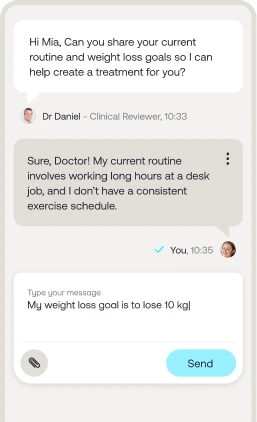
Tailored choices
We'll narrow down some treatments for you to choose from based on your medical profile.
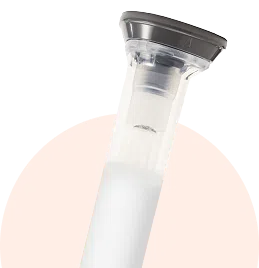
Express delivery
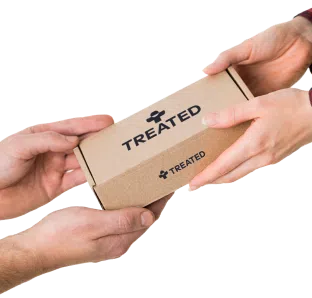
Receive your treatment by secure delivery, in discreet packaging.
Repeats made easy
Set your own delivery schedule and pause or make changes any time you like.