 Discreet delivery
  Canadian clinicians
Here’s what's included in the price:

Consultation
Answer a few questions about your health so we can get to know you better.

Free express delivery
Your treatment delivered in secure packaging in 2-3 business days.

Aftercare
We’ll check in with you regularly to see how your treatment is going.

Here’s what's included in the price:

Consultation
Answer a few questions about your health so we can get to know you better.
Free 24h delivery
Your treatment delivered in secure packaging, the very next day.
Aftercare
We’ll check in with you regularly to see how your treatment is going.


Best ED Medicines for Diabetes
How does diabetes affect a man sexually?
Diabetes has been linked to a range of sexual problems in men, including low libido, ejaculation and – most commonly – erectile dysfunction.
The main reason is physical: vascular blood flow and nerve transmissions are vital for erections to happen, and diabetes can interfere with both of these functions. But there’s a psychological element too. If you’ve got diabetes, you might be more aware of these potential problems – even if they aren’t happening yet – which could lead to psychological ED.
Does diabetes cause erectile dysfunction?
Diabetes can cause erectile dysfunction by interfering with your internal ‘plumbing’. Over time, glucose deposits can build up in blood vessels, and it’s this that has an adverse effect on blood flow and makes it harder to get an erection.
There’s another way that diabetes can lead to ED too. Over time, severe cases of diabetes can lead to nerve damage, and affect the communications that control erectile function. When men become aroused, signals from the brain help blood vessels near the penis to widen, so blood can get through and ‘fuel’ an erection. With diabetes-induced nerve damage, this process can become inhibited, and stop erections from happening.
If you’ve got diabetes, there are ways you can treat erectile dysfunction and stop it from getting worse. One is to stick to your diabetes treatment plan – this will help to prevent your diabetes from progressing, causing further damage to blood vessels and making ED symptoms worse.
Another is to eat a healthy diet and exercise regularly. Doing this can help to improve your diabetes control, but also has the added effect of improving vascular health (which can contribute towards better erections).
And then there are treatments that can help increase blood flow to the penis, such as Viagra. While these don’t treat the instigating cause, they can help to tackle the problem of ED itself.
Type 2 diabetes and erectile dysfunction: what’s the risk?
According to Diabetes UK, men with diabetes are three times more likely to develop erectile dysfunction. Studies into how common erectile dysfunction is in diabetic men have suggested prevalences of 52% , and in men with type 2 diabetes specifically, 66% and 59%. A paper published by the American Diabetes Association suggested a prevalence of between 35-75%, compared with 26% in the general population.
So we know there’s a strong correlation between ED and diabetes, which indicates a higher risk. But the exact extent of the risk is debatable because other factors (many of which can be present alongside diabetes) can contribute towards erectile dysfunction too. It’s rarely possible to single out diabetes as the sole contributing factor.
Can diabetes stop you from ejaculating?
It’s thought that diabetes can cause ejaculation problems by interfering with nerve transmissions from the brain. When men are aroused, ejaculation occurs when pleasure signals are sent back and forth between the penis and neuroreceptors. Severe diabetes can cause nerve damage, which interferes with this process – causing loss of sensation and, in a man, less ejaculatory control.
Studies have suggested that men with diabetes are more likely to have acquired premature ejaculation than men without diabetes.
Medically reviewed by
Dr Alexandra Cristina Cowell
Writer & Clinical Content Reviewer
on August 07, 2023.
Meet Alexandra Cristina

This page was medically reviewed by Dr Alexandra Cristina Cowell, Writer & Clinical Content Reviewer on August 07, 2023. Next review due on August 07, 2026.
How we source info.
When we present you with stats, data, opinion or a consensus, we’ll tell you where this came from. And we’ll only present data as clinically reliable if it’s come from a reputable source, such as a state or government-funded health body, a peer-reviewed medical journal, or a recognised analytics or data body. Read more in our editorial policy.
Best ED Medicines for Diabetes
Which is the best ED pill for diabetics?
If you’ve got diabetes, the best pill to treat erectile dysfunction can depend on a few factors, including whether you’re on blood pressure lowering treatment, and how severe your ED is.
Several ED pills, including sildenafil (Viagra), vardenafil (Levitra) and tadalafil (Cialis) have been shown in clinical studies to be effective at treating ED in men with diabetes.
But if you’re taking other medications to treat diabetes or associated metabolic disease, it’s more likely you’ll be recommended vardenafil.
Vardenafil has been found to be well-tolerated in men with impotence associated with diabetes. But because it’s a potent drug in comparison to other treatments, it can be more effective at lower doses; the median or starting dose of vardenafil for example is 10mg, compared to 50mg if you’re using sildenafil. So because you don’t need as much of it to treat ED symptoms, the risk of side effects with vardenafil is thought to be lower.
There is a trade-off for this though – vardenafil tends to be a more expensive option than sildenafil, and the branded version (Levitra) tends to be pricier (than Viagra) too. So when choosing a treatment, this is another factor that could influence your decision.
Oral treatments are the preferred first choice for men with diabetes but, if these don’t work, alprostadil is another option. This is often given in the form of an injection (like Caverject or Viridal) but you can get it as a cream too (Vitaros). It’s shown to be well-tolerated and effective in men with diabetes.
Can you take Viagra if you have diabetes?
Sildenafil, which is also known by the branded name Viagra, is a safe treatment for diabetic men with erectile dysfunction to use. One study into the use of the drug in just over 100 men with ED and diabetes found that 55% were able to have at least one successful sexual intercourse’ after using it (compared to 15.6% in the placebo group).
Another study analysing sildenafil use in just over 250 men with diabetes and ED reported improved erections in 56% of participants (compared with 10% in the placebo group).
So if you have diabetes, Viagra can be an effective treatment for you. But if you have diabetes and Viagra doesn’t quite work well enough or gives you side effects, you might be recommended a different treatment, like Vardenafil (Levitra), rather than a higher dose of sildenafil. This is because higher doses of ED drugs like sildenafil pose a higher risk of side effects or interactions with other treatments.
Does insurance cover Viagra for diabetics in Canada?
In Canada, coverage for prescription drugs varies significantly. There is no single national program that makes medications free for people with diabetes.
Coverage depends on your specific circumstances:
- Provincial and territorial health plans: Each province has a public drug plan that may cover a portion of the cost for certain medications, but usually only for specific groups like seniors, people on social assistance, or those with catastrophic drug costs. Coverage for ED drugs is often limited or not included.
- Private insurance: If you have a private health insurance plan, often through your employer, it may cover ED treatments. However, plans differ greatly. Many have annual or lifetime maximums for these types of drugs.
To find out if Viagra is covered for you, you’ll need to get a prescription from your doctor, then check the details of your provincial drug benefit program and/or your private insurance plan.
Can diabetic erectile dysfunction be reversed?
Because diabetes can cause damage to blood vessels and the nervous system, it’s not always possible to fully reverse erectile dysfunction related to it. Sometimes, you might need to use ED treatment long-term to counter the problem.
But it is possible to prevent diabetes and any erectile dysfunction symptoms associated with it from getting worse, by controlling your blood sugar and following your diabetes treatment plan.
Some men who have diabetes and intermittent erectile dysfunction may find that their symptoms pass if they follow a healthier diet and get plenty of exercise. If you have diabetes and think you might be experiencing ED though, it’s worth seeing a doctor so they can make sure your diabetes is well-controlled – as well as give you advice and treatment recommendations for your ED symptoms.
Medically reviewed by
Dr Alexandra Cristina Cowell
Writer & Clinical Content Reviewer
on August 07, 2023.
Meet Alexandra Cristina
This page was medically reviewed by Dr Alexandra Cristina Cowell, Writer & Clinical Content Reviewer on August 07, 2023. Next review due on August 07, 2026.
How we source info.
When we present you with stats, data, opinion or a consensus, we’ll tell you where this came from. And we’ll only present data as clinically reliable if it’s come from a reputable source, such as a state or government-funded health body, a peer-reviewed medical journal, or a recognised analytics or data body. Read more in our editorial policy.
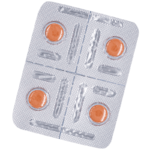
Vardenafil
VardenafilNon-branded version of Levitra. Works in the same way, but cheaper.
- Starting from $60.00
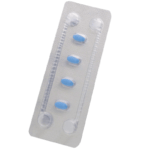
Sildenafil
SildenafilLike Viagra, but cheaper and works in the same way. Non-branded version of the original ED drug.
- Starting from $66.00

Viagra
SildenafilThe one you've heard of. Works in 30-60 minutes and lasts for up to 5 hours.
- Starting from $72.00
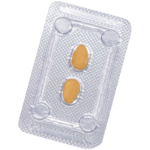
Cialis
TadalafilComes as an on-demand pill that lasts for 36 hours, or as a daily dose that's active all the time.
- Starting from $115.00
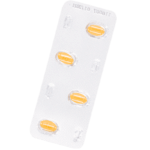
Tadalafil
TadalafilLike Cialis, but without the branding (so it's cheaper). 'Weekend' and daily options available.
- Starting from $102.00
Out of stock 
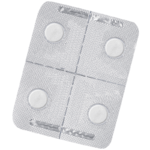
Staxyn
VardenafilAn orodispersible ED medication you don't have to swallow. The tablet melts in your mouth.
- Starting from $64.00
Out of stock
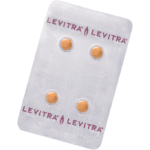
Levitra
VardenafilLower dose pill. Better option if you're older or have a pre-existing condition like diabetes.
- Starting from $87.00
Dr Daniel Atkinson

Registered with GMC (No. 4624794)
Meet DanielMs Laurenmarie Cormier

Registered with NPI (No. 1700446366)
Meet Laurenmarie
Some treatments can cause side effects
Always read the leaflet that comes with your medication and tell us about any side effects you get.
Choose how you do healthcare.
We know health, but you know you.
Our experts tell you what’s safe, but you decide what’s best.
Consult on your own time
Answer a few questions and tell us about yourself. Get tailored advice from our clinicians so you can choose better.
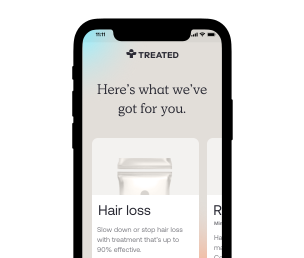
Treatments to fit your life
Choose your treatment and how often you have it delivered.
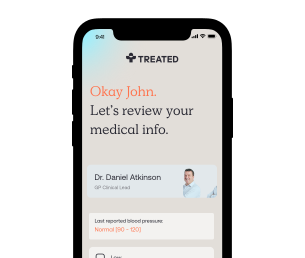
Your health, continued
We know things change. It’s the nature of life. We’ll check in regularly to make sure your treatment is still right for you.
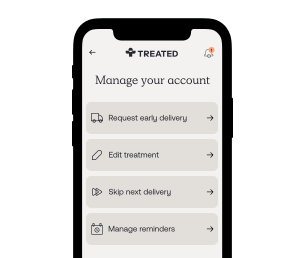
Control at your fingertips
Pause. Change. Skip. Start again. Any time you like.